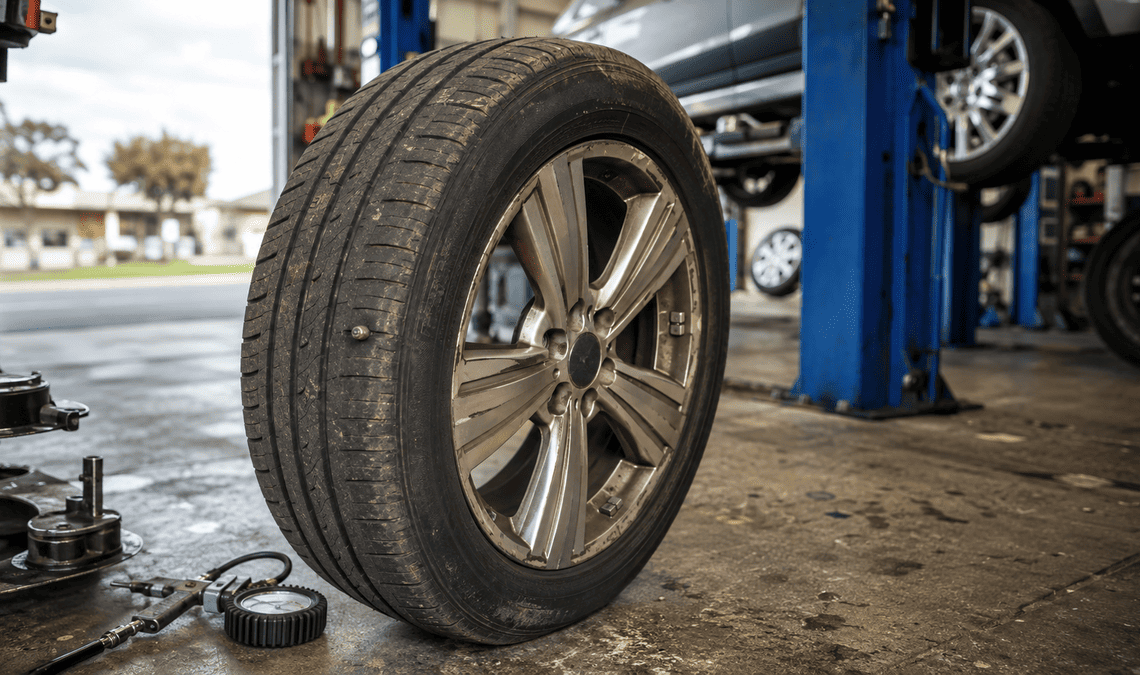
Professional Tyre Services Explained for Everyday Drivers

Most drivers know tyres matter, but not everyone knows what actually happens during a professional tyre service.
You might book in because a tyre looks worn, your steering feels slightly off, or the car has developed a vibration that definitely was not there last month. In many cases, Professional Tyre Services involve more than simply fitting a new tyre. They can include inspections, balancing, rotation, pressure checks, wheel alignment assessments and advice about tyre condition.
This guide explains the main tyre services everyday Australian drivers may encounter, what each one does and when it may be worth booking.
At a Glance
Professional tyre services can help maintain tyre condition, vehicle stability and everyday driving comfort.
Depending on the vehicle and the issue, services may include:
- Tyre inspection
- Tyre fitting and replacement
- Wheel balancing
- Tyre rotation
- Pressure checks
- Puncture assessment and repair
- Wheel alignment checks
- Tread and wear assessment
Not every visit means you need four new tyres. A good tyre inspection starts by identifying the actual problem.
Want to understand what each service does and when you may need it? Keep reading.
What Are Professional Tyre Services?
Professional Tyre Services are workshop-based checks and procedures designed to inspect, maintain, repair or replace tyres and related wheel components.
For the average driver, that might mean something as simple as replacing a damaged tyre. In other situations, the technician may identify uneven wear, poor balancing or alignment issues that deserve attention.
The goal is not merely to make the tyres look better. Tyres influence:
- Steering response
- Braking performance
- Road grip
- Ride comfort
- Fuel efficiency
- Vehicle stability
Because tyres gradually wear over time, problems can sometimes develop slowly enough that drivers simply get used to them.
That strange vibration at 90 km/h? You may have adapted to it. Your coffee in the cup holder probably has not.
Tyre Inspection: The Starting Point
A visual and physical tyre inspection is one of the most useful services a workshop can provide.
A technician may look at:
- Tread depth
- Uneven wear patterns
- Cracking
- Cuts or punctures
- Sidewall damage
- Bulges
- Embedded objects
- Tyre age and general condition
The wear pattern itself may offer useful clues.
For example, excessive wear on one side of a tyre may suggest an alignment issue, while unusual wear across the tyre could point to pressure or suspension-related problems.
Key takeaway: replacing a worn tyre is useful, but understanding why it wore unusually can be even more valuable.
Tyre Fitting and Replacement
When a tyre has reached the end of its usable life or is no longer safe to repair, replacement is usually necessary.
Professional tyre fitting generally involves removing the old tyre, mounting the replacement correctly and checking that it matches the vehicle’s requirements.
A suitable tyre should take into account factors such as:
- Correct tyre size
- Load rating
- Speed rating
- Vehicle type
- Driving conditions
- Manufacturer requirements
Drivers often focus heavily on brand and price, but suitability matters just as much.
A premium tyre that does not suit your vehicle or driving needs is not automatically a better choice than a more reasonably priced option selected properly.
Wheel Balancing: Why That Vibration Matters
Have you ever felt the steering wheel vibrate at certain speeds?
Wheel imbalance may be one possible cause.
Wheel balancing adjusts the distribution of weight around the tyre and wheel assembly. Small balancing weights are used to compensate for minor inconsistencies.
Signs that balancing may need attention include:
- Steering wheel vibration
- Seat or floor vibration
- Uneven tyre wear
- Reduced driving comfort
Balancing is commonly performed when new tyres are fitted, but it may also be checked if vibration develops later.
Did You Know?
A wheel can look completely normal and still be slightly out of balance.
The difference may only involve a small amount of weight, but once the wheel is rotating quickly, that small imbalance can become surprisingly noticeable.
Tiny problem. Dramatic steering-wheel performance.
What Is Tyre Rotation?
Tyres do not always wear at exactly the same rate.
Front tyres, for example, may experience different loads and steering forces compared with rear tyres.
Tyre rotation involves moving tyres between suitable positions on the vehicle to encourage more even wear.
The appropriate rotation pattern depends on factors including:
- Vehicle drivetrain
- Tyre design
- Tyre size
- Directional tread patterns
- Manufacturer recommendations
Regular rotation may help maximise usable tyre life when appropriate for the vehicle.
Pro Tip: Ask your tyre professional whether your current tyre setup can be rotated and how often they recommend checking it.
Wheel Alignment and Tyre Wear
Wheel alignment relates to the angles at which your wheels sit relative to the road and each other.
Poor alignment can contribute to:
- Uneven tyre wear
- Vehicle pulling to one side
- Off-centre steering wheel position
- Reduced steering stability
Alignment can sometimes change after hitting potholes, kerbs or rough road surfaces.
And yes, that pothole you hit while quietly pretending you definitely saw it probably counts.
A wheel alignment assessment can help determine whether the wheel angles are within the appropriate specifications.
Puncture Repair: Can Every Tyre Be Fixed?
Not every puncture means the tyre must automatically be replaced.
However, not every puncture can safely be repaired either.
Whether repair is appropriate depends on factors such as:
- Location of the puncture
- Size of the damage
- Condition of the tyre
- Previous repairs
- Damage to the sidewall or internal structure
A professional inspection is important because visible damage does not always show the full extent of the problem.
Driving repeatedly on an underinflated or flat tyre can also cause internal damage that may make repair unsuitable.
Quick Guide: Your Car Suddenly Feels Different
Imagine your car has recently started feeling less smooth at highway speeds. The steering wheel vibrates slightly and one front tyre appears more worn than the others.
You are not sure whether you need new tyres, wheel balancing or something else entirely.
Common Challenges
Ask yourself:
- Is the vibration only noticeable at certain speeds?
- Are the tyres wearing differently from one another?
- Does the vehicle pull slightly left or right?
How to Approach It
Start with a tyre inspection
Have all tyres checked for wear, damage and pressure differences.
Check wheel balance
If vibration is speed-related, balancing may be worth investigating.
Assess alignment
Uneven tyre wear or pulling can justify an alignment check.
Avoid replacing parts blindly
The visible tyre wear may be a symptom rather than the only problem.
Why It Works
This approach helps identify the cause before money is spent unnecessarily.
Instead of assuming that every unusual sensation means four new tyres, a professional assessment can narrow down what actually requires attention.
If your vehicle suddenly feels different, booking an inspection early can make the issue easier to understand.
Quick Quiz: How Well Do You Know Your Tyres?
Answer Yes or No.
- Do you check tyre pressure regularly?
- Have you looked at your tread recently?
- Would you recognise uneven tyre wear?
- Do you know when your tyres were last rotated?
- Has your wheel alignment been checked after a major pothole impact?
- Would you arrange an inspection if your steering suddenly began vibrating?
Your Score
5–6 Yes:
Your tyre maintenance habits are looking pretty solid.
3–4 Yes:
You are doing reasonably well, but a few extra checks could help.
0–2 Yes:
Your tyres may be quietly waiting for a little more attention.
When Should You Book Professional Tyre Services?
It may be worth arranging professional inspection if you notice:
- Visible tyre damage
- Reduced tread
- Frequent pressure loss
- Uneven wear
- Steering vibration
- Vehicle pulling to one side
- Unusual road noise
- A puncture
- Changes in handling
You may also want your tyres checked before a long road trip, particularly if they have not been inspected recently.
Preventive inspections can sometimes catch small issues before they become larger ones.
FAQs About Professional Tyre Services
How often should tyres be professionally checked?
There is no single interval suitable for every vehicle.
Driving distance, road conditions, tyre type and vehicle use all affect wear.
Regular visual checks at home are useful, with professional assessment whenever you notice unusual wear, pressure loss, vibration or damage.
Are wheel balancing and wheel alignment the same thing?
No.
Wheel balancing addresses weight distribution around the wheel and tyre assembly.
Wheel alignment adjusts the direction and angles of the wheels.
Both can affect driving comfort and tyre wear, but they solve different problems.
Can professional tyre services make tyres last longer?
They can help tyres wear more evenly when combined with suitable driving habits and maintenance.
Correct pressure, appropriate rotation, balancing and alignment can all contribute to getting more usable life from tyres.
Should I replace all four tyres at once?
Not always.
The answer depends on tyre condition, vehicle type, drivetrain requirements and differences in tread depth.
A professional can inspect the full set and explain what replacement approach is suitable.
Is tyre pressure really that important?
Yes.
Incorrect tyre pressure can affect tyre wear, handling and fuel consumption.
Pressure should generally be checked when tyres are cold and adjusted according to the vehicle manufacturer’s recommendation.
Conclusion
Professional Tyre Services are about much more than replacing worn rubber. They can help drivers understand tyre condition, identify uneven wear, address balancing or alignment concerns and make more informed decisions about repairs and replacement.
For everyday Australian drivers, the best approach is usually simple: pay attention to changes in how the vehicle feels, check your tyres regularly and seek professional advice when something does not look or feel right.
Tyres often give early warning signs before a problem becomes serious. Knowing what those signs mean—and acting on them—can help keep your vehicle comfortable, predictable and road-ready.