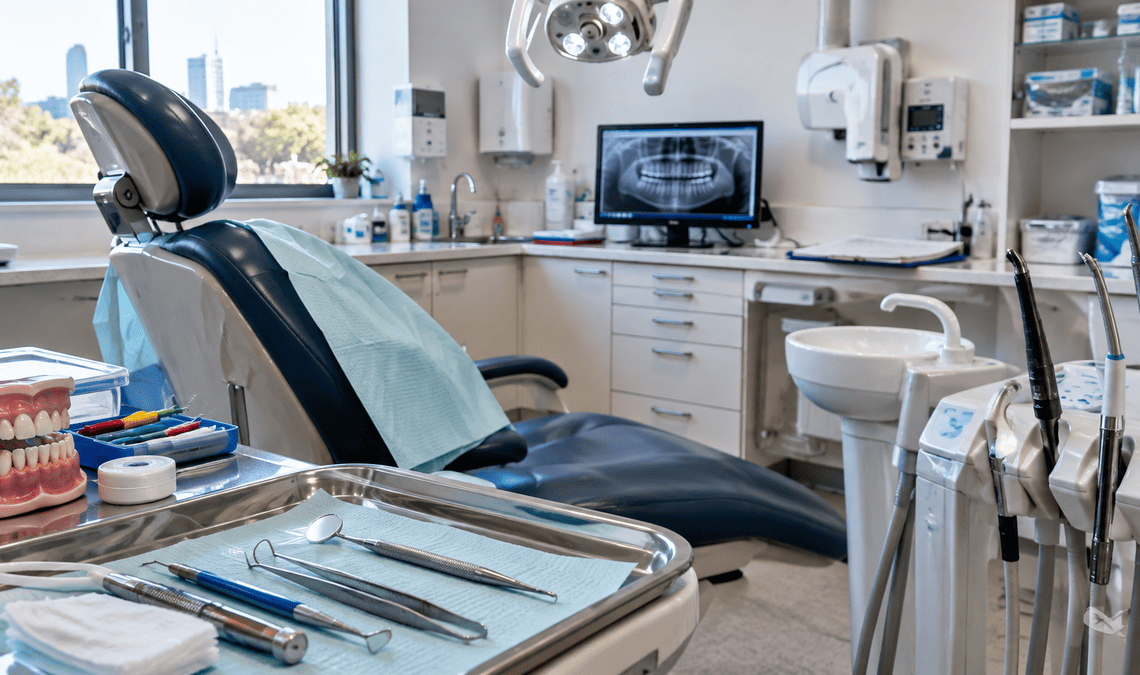
Dental Clinic Check-Ups: What Happens During Your Appointment?

Visiting a Dental Clinic for a routine check-up can feel straightforward if you already know what to expect. But for people who have not seen a dentist for a while, or who feel a little nervous about appointments, even a standard check-up can come with plenty of questions.
Will the dentist take X-rays? Will your teeth be professionally cleaned? What happens if they find a problem? And perhaps most importantly: will someone ask how often you floss and then give you that look?
This guide explains what generally happens during a routine dental check-up in Australia, from the initial discussion through to examination, cleaning and follow-up recommendations. It is designed to help you arrive feeling more informed and prepared rather than wondering what happens once you sit in the dental chair.
At a Glance
A routine appointment at a Dental Clinic may include:
- A discussion about your dental and general health
- An examination of your teeth, gums and mouth
- Checks for signs of tooth decay, gum problems or other concerns
- Dental X-rays when clinically appropriate
- Professional cleaning, depending on the appointment
- Advice about brushing, flossing and oral care
- A discussion about any treatment that may be recommended
Not every appointment is identical. Your dentist will usually tailor the check-up to your oral health, symptoms, previous dental history and any concerns you mention.
Want to know what each stage involves? Keep reading.
First, Your Dentist Will Usually Ask a Few Questions
Before examining your teeth, your dentist may ask whether anything has changed since your previous visit.
This is a good opportunity to mention issues such as:
- Tooth sensitivity
- Pain when biting or chewing
- Bleeding gums
- Persistent bad breath
- Jaw discomfort
- Changes in your bite
- Cracked or chipped teeth
- Concerns about fillings, crowns or other dental work
You may also be asked about your medical history or medications, as some health conditions and medicines can affect oral health or influence dental treatment.
Do not assume a small concern is too insignificant to mention. That annoying tooth that complains every time you drink something cold may be worth discussing before it starts demanding its own appointment.
What Happens During the Dental Examination?
The examination is one of the most important parts of your Dental Clinic appointment.
Your dentist typically looks closely at your teeth, gums and surrounding tissues. They may use a small mirror and dental instruments to examine areas that are difficult to see yourself.
During the examination, the dentist may check for signs of:
- Tooth decay
- Cracked or damaged teeth
- Worn fillings
- Gum inflammation
- Gum recession
- Plaque and tartar build-up
- Changes to existing crowns or restorations
- Unusual areas inside the mouth
They may also assess how your teeth come together when you bite and ask about grinding or clenching if there are signs of excessive wear.
Did You Know?
Dental appointments are not only about looking for cavities. Dentists also assess your gums, existing dental work and the general condition of your mouth.
That is one reason regular check-ups can be useful even when nothing feels painful.
Will You Need Dental X-Rays?
Not necessarily.
Dental X-rays are generally taken when your dentist believes they are clinically useful. They can provide information about areas that cannot always be assessed through visual examination alone.
For example, X-rays may help dentists investigate:
- Decay between teeth
- Problems below existing fillings
- Bone levels around teeth
- Impacted teeth
- Certain infections or abnormalities
- Tooth roots and surrounding structures
How frequently X-rays are recommended depends on factors including your dental history, age, previous findings and risk of dental disease.
Pro Tip: If you are unsure why an X-ray has been recommended, ask. Your dentist should be able to explain what they are looking for and how the image may assist with your care.
What About the Professional Clean?
A professional dental clean is commonly associated with routine check-ups, although exactly what is performed depends on the condition of your teeth and gums.
Even excellent brushing can miss some areas.
Plaque that remains on teeth may eventually harden into tartar, which generally cannot be removed effectively using an ordinary toothbrush.
During a professional clean, your dental practitioner may remove deposits from around the teeth and gumline. Teeth may then be polished to remove certain surface stains and leave them feeling smoother.
You may also receive personalised advice about areas where plaque tends to accumulate.
Apparently, your toothbrush does not always reach every corner. It tries its best, but nobody is perfect.
Quick Guide: Preparing for a Dental Check-Up
Imagine you have booked an appointment because your teeth generally feel fine, but it has been quite some time since your last examination. You are unsure whether there might be problems developing quietly.
Common Questions
- Should I mention occasional sensitivity even if it disappears quickly?
- What if I cannot remember when I last had dental X-rays?
- Should I tell the dentist that my gums sometimes bleed when brushing?
How to Make the Appointment More Useful
Mention symptoms early
Tell your dentist about discomfort, sensitivity or changes before the examination begins.
Bring relevant information
If you are attending a new Dental Clinic, provide any available dental history and an up-to-date list of relevant medications.
Ask questions
If treatment is suggested, ask what the problem is, what options may be available and whether treatment is urgent.
Discuss prevention
Ask whether there are particular areas you should focus on when brushing or cleaning between your teeth.
Why This Works
Good communication gives your dentist more information to work with and helps you understand your own oral health more clearly.
A dental check-up should not feel like something simply being done to you. It should also help you understand what is happening and why.
What Happens If the Dentist Finds a Problem?
Finding an issue during a check-up does not always mean treatment needs to happen immediately.
Your dentist should explain what they have found and discuss appropriate next steps.
Depending on the issue, they may recommend:
- Monitoring the area
- Improving home care
- A filling
- Gum treatment
- Repairing an existing restoration
- Further diagnostic testing
- Referral to another dental professional when appropriate
If treatment is recommended, ask about the expected benefits, alternatives, costs and timeframe.
Key point: Understanding the reason for treatment helps you make a more informed decision about your dental care.
Mini Quiz: How Prepared Are You for Your Next Dental Check-Up?
Answer Yes or No.
1. Do you know when you last visited a dentist?
2. Have you noticed sensitivity, bleeding gums or discomfort recently?
3. Do you regularly clean between your teeth as well as brushing?
4. Would you feel comfortable asking your dentist why treatment is being recommended?
Your Result
3–4 Yes answers:
You are already fairly engaged with your oral health. Keep asking questions and maintaining your routine.
1–2 Yes answers:
There may be a few areas worth paying more attention to before your next appointment.
0 Yes answers:
Your toothbrush would probably like to schedule a team meeting.
The quiz is only for engagement and general awareness, of course. A professional dental assessment is what determines your individual needs.
Questions Worth Asking During Your Appointment
Patients sometimes leave a Dental Clinic and suddenly remember five questions they meant to ask.
Consider keeping these in mind:
- Are there areas I am missing when brushing?
- Are my gums healthy?
- Do I need to change how I floss or clean between my teeth?
- Are any existing fillings showing signs of wear?
- When should my next check-up be?
- Is any recommended treatment urgent?
- Are there different treatment options available?
There is no prize for leaving the dental chair with unanswered questions.
FAQs About Dental Clinic Check-Ups
How long does a routine dental check-up take?
Appointment lengths vary depending on what is required. A straightforward examination may be relatively quick, while appointments involving cleaning, X-rays or discussion of several concerns can take longer.
Your Dental Clinic can usually tell you approximately how much time has been allocated when you book.
Do dental check-ups hurt?
Routine examinations should generally not be painful. Some people may experience temporary sensitivity during cleaning, particularly when gums are inflamed or teeth are sensitive.
If you feel uncomfortable, tell your dentist or dental practitioner immediately so they can adjust what they are doing.
Should I brush my teeth before going to the dentist?
Yes, brushing beforehand is perfectly reasonable and can make the examination more comfortable.
However, do not panic if you are coming directly from work and cannot brush immediately before your appointment. Dental professionals have seen lunch before.
Can I visit a Dental Clinic even if nothing hurts?
Yes. Many dental problems may not cause obvious discomfort during their early stages.
Routine examinations are designed partly to identify potential concerns before they become more noticeable.
What if I feel nervous about dental appointments?
Tell the clinic when booking or speak to the dentist before treatment begins. Knowing that you are anxious allows the dental team to explain procedures more carefully, discuss breaks and help make the appointment more manageable.
Conclusion
A routine visit to a Dental Clinic is generally much more than a quick look at your teeth. Your appointment may include a discussion about symptoms, examination of your teeth and gums, professional cleaning, X-rays when appropriate and personalised advice about maintaining your oral health.
Knowing what happens during a check-up can make the experience feel less uncertain and help you get more value from the appointment. Most importantly, use the opportunity to ask questions and mention even minor concerns. Regular dental care is not just about fixing problems when something hurts; it is also about understanding and maintaining your oral health over time.