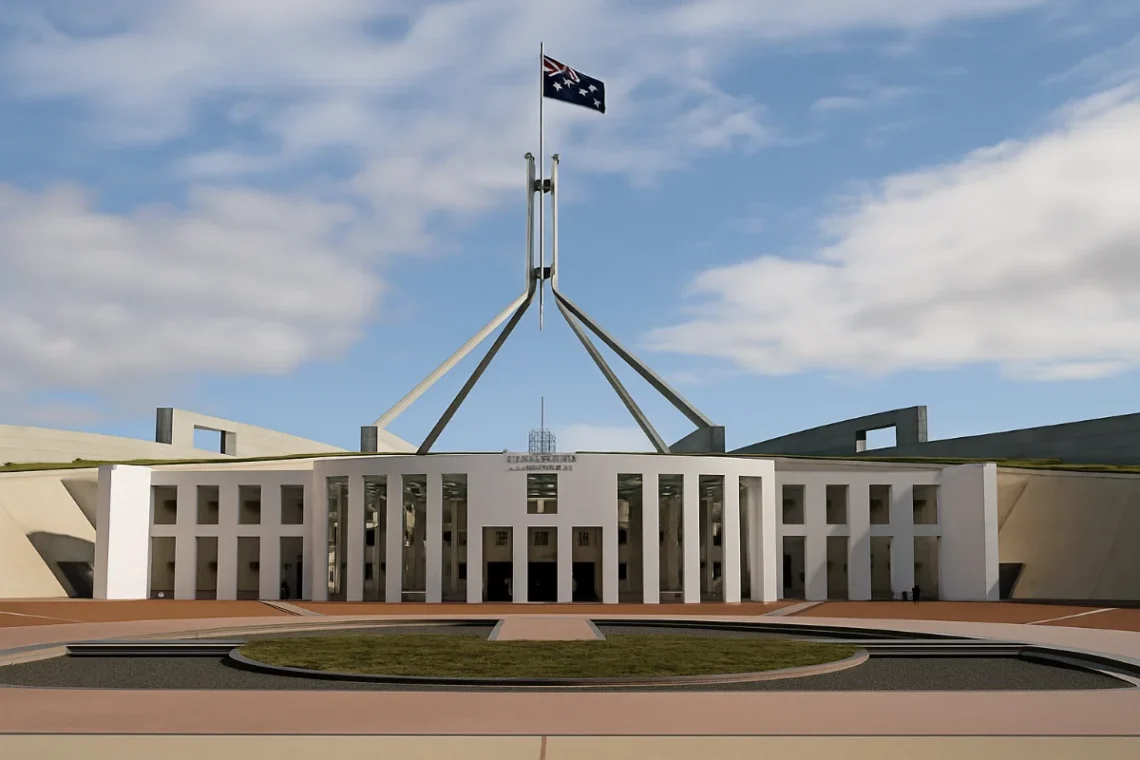
Human Rights in Australia: What Every Citizen Should Know

Why Human Rights Matter to All Australians
Human rights may sound like a big legal term tossed around in parliament or splashed across the news, but at its core, it’s simple: they’re the basic rights and freedoms every person is entitled to. Whether it’s the right to vote, the right to speak your mind, or the right to not be discriminated against at work, human rights in Australia affect your daily life more than you might realise.
The challenge? Most Aussies don’t really stop to think about them until something goes wrong—like being unfairly treated at work, facing housing discrimination, or seeing freedoms threatened. That’s when human rights suddenly stop being abstract and start being personal.
In this post, we’ll break down human rights in Australia, explore the protections in place, highlight some challenges, and even inject a bit of humour (because yes, even constitutional law could use a laugh). By the end, you’ll know not just what human rights mean, but why they matter for you, your family, and your community.
Snapshot Summary: Human Rights in Australia at a Glance
- What Are They? Basic freedoms and protections such as freedom of speech, equality before the law, and the right to live free from discrimination.
- Who Protects Them? Mostly a mix of the Constitution, federal/state laws, and international treaties Australia has signed.
- Where’s the Catch? Unlike many countries, Australia does not have a single Bill of Rights. Instead, we rely on patchwork protections.
- Why Should You Care? Because whether it’s fair treatment at work, housing security, or access to health care—your rights shape your everyday quality of life.
Want the full story (with examples, tips, and a cheeky quiz)? Keep reading!
A Quick History: Human Rights Down Under
Australia’s approach to human rights is unique. Unlike the United States, we don’t have a single Bill of Rights written into our Constitution. Instead, we rely on:
- The Constitution – Limited explicit rights (e.g., the right to vote, freedom of religion).
- Federal and State Laws – Such as the Racial Discrimination Act 1975 or Sex Discrimination Act 1984.
- International Agreements – Australia has signed treaties like the Universal Declaration of Human Rights.
Fun fact: The Australian Constitution has been called “remarkably quiet on rights.” Translation? If it were a person at a dinner party, it would be the guest who sits in the corner and just nods politely.
Everyday Human Rights You Benefit From
Here are some of the core rights Australians enjoy:
- Equality before the law – No one is above it (yes, not even politicians).
- Right to vote – Compulsory voting makes us one of the most democratic nations.
- Freedom of speech (limited) – You can criticise the government but don’t expect the U.S.-style free speech model.
- Anti-discrimination protections – Race, gender, age, or disability shouldn’t be grounds for unfair treatment.
- Right to privacy – Limited but growing in importance with digital technology.
Did You Know? Unlike the U.S., Australians don’t have an explicit “right to bear arms.” Instead, we get compulsory voting and a thriving coffee culture—arguably a much safer trade-off. ☕
Common Challenges Australians Face
Despite having these protections, human rights issues still pop up. Here are some everyday struggles:
- Workplace fairness – Have you ever wondered if that “unpaid internship” is really unpaid because it’s exploitative?
- Digital privacy – Who else gets creeped out when ads for the boots you only thought about suddenly appear on your feed?
- Housing discrimination – Renters often report being unfairly treated based on income, family size, or cultural background.
- Indigenous rights – Ongoing struggles around land rights, recognition, and systemic discrimination remain front and centre.
Quick Guide: What to Do If Your Rights Are Breached
Let’s break this down into something useful:
Common Scenarios:
- Ever been treated unfairly at work?
- Suspect you’re being discriminated against in housing or education?
- Concerned about government surveillance or data breaches?
Practical Solutions:
- Know your laws – Look into the Australian Human Rights Commission (AHRC).
- Speak up – Lodge a complaint with your employer, school, or relevant authority.
- Seek legal advice – Free and low-cost legal services are available through Legal Aid.
- Stay informed – Knowledge is power. The more you know, the less likely you’ll be brushed aside.
Why It Works:
Empowering yourself with knowledge ensures you don’t get steamrolled by institutions. It’s like putting on sunscreen before a beach day—you might not think you need it, but you’ll thank yourself later.
Pro Tip
Don’t wait until something goes wrong to learn about your rights. Think of it like car insurance—you hope you’ll never need it, but when you do, it’s a lifesaver.
Interactive Corner: Test Your Human Rights Knowledge
Quick Quiz
- True or False: Australia has a national Bill of Rights.
- Which Act protects Australians from racial discrimination?
- A) Racial Discrimination Act 1975
- B) Workplace Fairness Act 1989
- C) Equality for All Act 2000
- Do Australians have an absolute right to free speech?
(Answers: 1. False, 2. A, 3. No – it’s limited by laws such as defamation.)
FAQs About Human Rights in Australia
Q1: Why doesn’t Australia have a Bill of Rights?
Australia’s framers believed parliamentary democracy and common law would protect rights. While it mostly works, critics argue this leaves gaps.
Q2: Can my employer really ask about my religion or political beliefs?
Generally, no. Discrimination laws protect you from being treated unfairly based on religion, politics, gender, or other personal attributes.
Q3: How are Indigenous rights different from other rights?
Indigenous Australians often face unique legal battles related to land, cultural recognition, and systemic inequality. Landmark cases like Mabo reshaped property law.
Q4: What about digital rights?
Good question! As technology evolves, so does the need to strengthen privacy protections. Expect more reforms in the coming years.
Where We’re Headed: The Future of Human Rights
Human rights in Australia are evolving. Some of the big issues on the horizon include:
- Stronger privacy laws to keep up with AI and digital surveillance.
- Workplace protections as gig economy jobs increase.
- Recognition of Indigenous Australians through potential constitutional changes.
- Gender equality and pay transparency reforms.
Conclusion
Human rights in Australia may not always make the headlines, but they shape almost every part of our daily lives—from the way we work, to how we’re treated in society, to the freedoms we enjoy.
Understanding them is not just about being “woke” or politically engaged—it’s about knowing what protections are in place when life throws challenges at you.
So next time someone brings up “human rights” at a barbecue, you’ll be the one confidently explaining that Australia doesn’t have a Bill of Rights but still has robust protections. (And you might even convince them between bites of sausage and sips of beer.)
Disclaimer
This article is intended for general informational purposes only and should not be taken as legal advice. For specific concerns about your rights, please contact a qualified legal professional or the Australian Human Rights Commission.