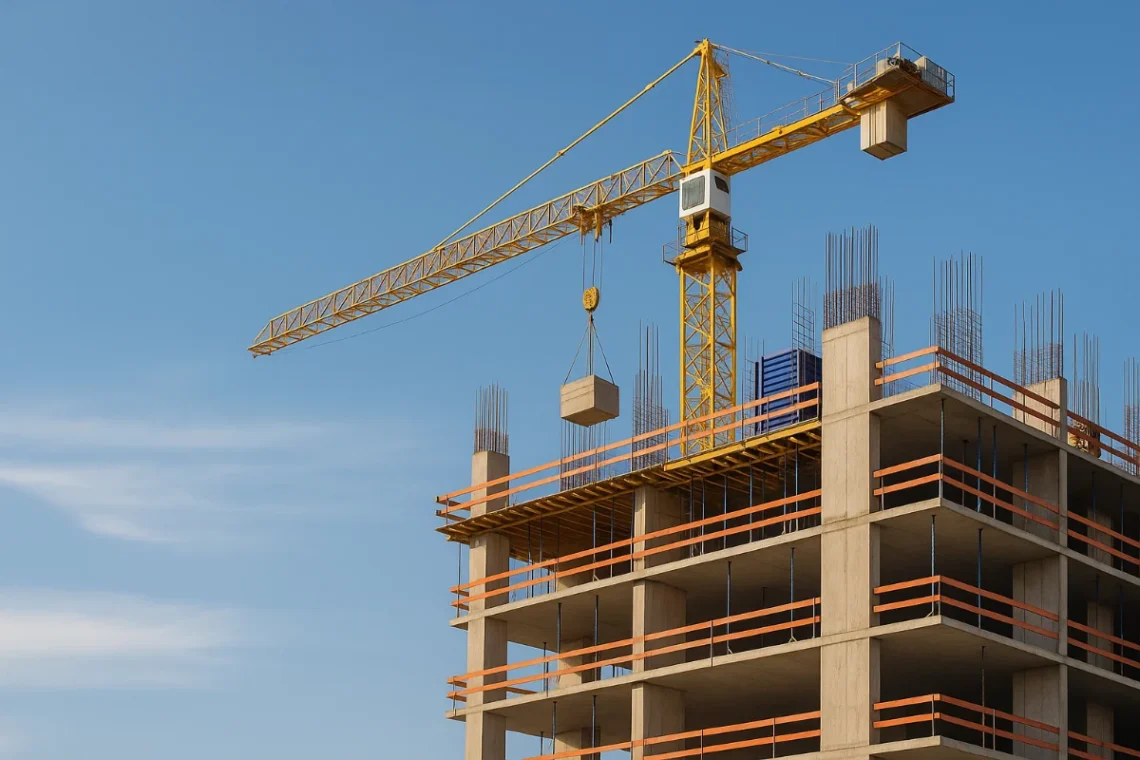
Mastering Construction Project Management: From Planning to Handover

Targeting those seeking effective construction project management in Australia.
If you’ve ever managed a build and felt like you were juggling more hats than a tradie on a scaffold, you know—construction project management is no simple walk in the park. But done well, it’s the difference between a smooth-handover and a chaotic “what just happened?” moment.
This article is your deep dive into construction project management—tailored for the Australian environment—covering planning, execution, risk, handover and everything in between. Whether you’re a builder, contractor, project manager or developer, you’ll gain practical insights (and maybe a laugh) to elevate your next project.
Quick Overview: Snapshot Summary
- Construction project management starts with a solid plan and ends with a clean handover—and lots of communication in between.
- Key phases: Initiation & planning → Execution & monitoring → Handover & close-out.
- Major Australian challenges: labour shortages, cost escalation, regulatory/compliance burdens. (The Access Group)
- Success comes from integrating tech, processes, stakeholder-engagement, and risk-management early.
Want full depth on each phase and interactive tools to test your readiness? Keep reading.
Phase 1: Initiation & Planning
Planning is where many projects succeed or fail. As one seasoned manager said: “If you don’t plan for rain, don’t be surprised when the job floods.” (And in Aus sometimes it does.)
What to cover in this phase:
- Define project scope, objectives, deliverables, budget and timeline.
- Identify stakeholders: client, architect, engineer, builder, sub-contractors, local council.
- Create a work-breakdown structure (WBS) and schedule.
- Risk-identification: site access, materials supply, approvals, weather, labour.
- Procurement strategy, contract model, quality/health-safety plan.
Key Australian context: In 2025, cost escalation of 4.5-6% across most cities is forecast, with labour and materials being major factors. (The Access Group)
Bold statement: Without robust planning, you’re essentially leaning on hope—and hope isn’t a project management tool.
Pro Tip Box
Use a digital project-management platform (cloud-based) so all stakeholders can see live updates and changes. One mis-communique on site can cost thousands.
Phase 2: Execution & Monitoring
This is where the rubber meets the road—literally. Materials arrive, trades roll in, inspectors visit, changes happen.
Key focus areas:
- Schedule management and progress tracking (milestones, critical path).
- Cost monitoring: budget vs actual, change orders, variation management.
- Quality control: inspections, testing, compliance with Australian standards.
- Communication: daily-site meetings, digital reporting, change-logs.
- Risk mitigation: new risks emerge—supply chain delays, regulatory changes, weather events.
Did You Know? A 2025 report found Australia’s housing construction sector is producing only half as many homes per hour worked compared with 30 years ago. (The Guardian)
This means efficiency, monitoring and smart execution are more critical than ever.
Technology highlight: More firms are using BIM, drones, data analytics and automation to monitor progress and risk. (buildinginstitute.edu.au)
Monitoring isn’t just “keeping tabs” – it’s proactive steering.
Phase 3: Handover & Close-Out
You’ve built it – now you deliver it. But many projects falter here.
What to cover:
- Final inspections, testing, commissioning.
- As-built drawings, operations & maintenance manuals.
- Training the client’s facility/team on systems.
- Financial close-out: final variations, final claims, release of retention.
- Post-project review: lessons learned, documentation for future.
Australian nuance: With increasing regulation and sustainability standards (e.g., Green Star, materials recycling) (Wikipedia) you’ll want to ensure compliance and certification during handover, not after it.
Humour moment: The number of times a handover gets delayed because someone misplaced “the one key” or “forgot the final meter-reading” is astonishing. Get it stamped, signed, and archived.
Quick Guide: Real-Life Aussie Scenario
Intro:
Imagine a mid-sized commercial fit-out in Melbourne. The project starts with excitement but stalls when the materials schedule slips, the budget strains and trades clash.
Common Challenges
- Materials arrive late and schedule stalls—what do you do?
- Cost overruns because of unapproved variations—how do you keep control?
- Final handover delayed because client training wasn’t scheduled—how do you avoid this?
How To Solve It
- Buffer your schedule: Build in contingency time for key material deliveries, especially imports or long-lead items.
- Variation management protocol: Ensure any changes are documented, priced, approved before work starts.
- Client-handover checklist: Schedule training, document delivery, client acceptance sign-off before releasing retention.
Why It Works
Problems get caught early, costs stay aligned, and there’s clarity for everyone. The project doesn’t just finish—it finishes well.
If you want help building your handover checklist or variation protocol, consider consulting a specialist.
Interactive Section: Project Readiness Survey
Rate your current project or your next upcoming project from 1 (not confident) to 5 (very confident) on each:
| Area | Score |
|---|---|
| Clear scope and deliverables defined and agreed by all stakeholders. | |
| Digital platform in place for schedule, budget, communications. | |
| Risk register created and updated regularly. | |
| Variation/change-order process documented and used. | |
| Handover plan includes client-training, documentation, and final sign-off. |
Interpretation
- 21-25: You’re well prepared and your project is in good shape.
- 13-20: You have foundation, but some areas need tightening. Pick one to focus on.
- ≤12: You may benefit from revisiting your planning & monitoring framework before major execution begins.
Emerging Trends & Challenges in Australian Construction Project Management
- Labour & skills shortages: Australia’s construction industry is grappling with a shrinking skilled workforce. (The Access Group)
- Adoption of technology: From AI to drones to BIM, project management is evolving. (buildinginstitute.edu.au)
- Cost pressures: Rising material, labour and logistics costs require tighter management. (The Access Group)
- Sustainability & regulation: Green building, waste management and energy efficiency are increasingly essential. (College for Adult Learning)
If your construction-project-management toolkit doesn’t include modern tech, robust risk-processes and a sustainability mindset—you’re risking falling behind.
FAQs
Q: What makes construction project management different from standard project management?
A: Construction introduces distinct variables—site conditions, trades, regulatory compliance, weather, materials logistics, safety/health risks—that traditional project-management frameworks may not fully account for.
Q: How often should I update the risk register on my construction project?
A: Ideally monthly, but also whenever a major milestone passes, a change order is initiated, or you move from one phase to another.
Q: What software tools do Aussie managers recommend?
A: Leading firms in Australia are using BIM tools, ERP systems specific to construction, cloud-based project dashboards, drone/site-monitoring platforms. Many cite integration and data-visibility as critical. (The Access Group)
Q: Can poor handover really cause big issues?
A: Absolutely. Hidden defects, missing documentation, delayed sign-offs, unpaid retention—all these impact client satisfaction, warranties and future business referrals.
Conclusion
Mastering construction project management isn’t about heroic finishes, it’s about smooth processes, clear communication, tight control and timely delivery. From the planning board to the final handover, every phase matters. If you embed robust frameworks, use modern tools, engage stakeholders effectively and plan for the unexpected—you’ll deliver projects that finish on time, on budget and with fewer sleepless nights.
Disclaimer
This post is for educational and informational purposes only. It does not constitute professional construction management or legal advice. For specific projects, regulations or contractual matters in Australia, consult a qualified professional.